Why Bulk Containers Are Essential for Lasting and Economical Transport
Mass containers play an essential duty in modern logistics. They assist in the efficient motion of big quantities of items, thereby optimizing transportation processes. This method not just decreases prices yet additionally decreases ecological influence via reduced exhausts and waste generation. As industries look for more sustainable techniques, the adoption of bulk containers is coming to be increasingly considerable. What implications does this change hold for future logistics and supply chain administration?
The Benefits of Using Bulk Containers in Logistics
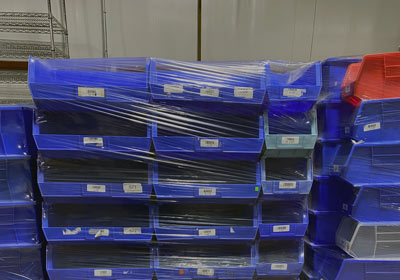
Bulk containers transform logistics by improving effectiveness and sustainability. These containers permit for the transport of large quantities of goods in a single trip, significantly lowering the variety of journeys called for. This not just simplifies procedures but likewise lessens labor prices related to handling, filling, and unloading. Furthermore, bulk containers are made to maximize room application within transportation cars, making sure that more items can be delivered all at once.
The standardization of mass containers additionally streamlines the logistics procedure. With consistent measurements, they can be conveniently stacked and stored, resulting in improved storage facility administration. Bulk containers usually include durable materials that safeguard contents from damages during transit, therefore lowering item loss and boosting overall integrity. Therefore, companies can experience enhanced supply chain efficiency, ultimately leading to enhanced success and client complete satisfaction. This combination of aspects makes mass containers a vital asset in contemporary logistics.
Environmental Effect: Decreasing Waste and Carbon Impact
As sectors progressively focus on sustainability, the adoption of mass containers has actually arised as a vital approach for reducing waste and decreasing carbon footprints. These containers decrease using packaging products, such as boxes and plastic, thereby significantly lowering general waste generation. By settling shipments, mass containers enhance transport efficiency, enabling for even more products to be transported per trip. This decrease in journeys directly correlates with reduced greenhouse gas exhausts, adding to a smaller carbon footprint.
In addition, mass containers can frequently be reused or recycled, additionally mitigating environmental effect. The resilience of these containers warranties they can withstand numerous transportation cycles, lowering the need for single-use choices. used bulk containers. By enhancing logistics and advertising reliable source use, mass containers not just sustain lasting methods however likewise encourage industries to align with global ecological goals. Eventually, their implementation reflects a commitment to eco-friendly stewardship and liable source administration
Expense Savings: Exactly How Bulk Containers Lower Transportation Expenditures
While numerous companies look for methods to boost their profits, the usage of mass containers offers a considerable possibility for decreasing transport costs. Mass containers optimize the volume of goods transported, permitting companies to ship bigger amounts at the same time. This effectiveness reduces the variety of journeys needed, directly reducing fuel costs and minimizing labor expenditures connected with loading and unloading.
In addition, mass containers typically feature streamlined styles that enhance room use within transport lorries. This implies less vacant areas, leading to extra efficient use offered capacity. In addition, the toughness of bulk containers can reduce the danger of item damage throughout transit, minimizing losses and making sure that even more goods show up undamaged.
Enhancing Supply Chain Efficiency With Bulk Storage Solutions
Mass storage space solutions play a necessary duty in enhancing supply chain effectiveness by maximizing stock administration. By settling goods right into fewer, larger containers, organizations can significantly minimize managing prices connected with frequent transfers and processing. This streamlined technique enables far better monitoring and management of stock, eventually causing boosted functional efficiency.
Structured Supply Administration
Efficient stock monitoring is vital for enhancing supply chain operations, especially when organizations embrace bulk storage options. These solutions enable organizations to preserve higher stock levels while decreasing the regularity of replenishment. By consolidating materials into mass containers, firms can enhance their supply procedures, reducing the intricacy connected with tracking multiple smaller sized plans. This strategy promotes precise inventory matters and boosts forecasting precision, enabling more enlightened decision-making. In enhancement, mass storage remedies simplify storehouse organization, making it easier to situate and access items when needed. Because of this, companies can accomplish a more reliable stock turn over rate, ultimately boosting general supply chain performance and lowering the probability of stockouts or overstock situations.

Lowered Handling Costs
The application of mass storage solutions not only enhances supply management however additionally considerably minimizes handling costs across the supply chain. By settling products right into mass containers, companies reduce the requirement for constant handling and transfer in between various storage and transportation systems. This strategy minimizes labor expenses connected with loading, dumping, and relocating smaller sized packages. Additionally, bulk storage space reduces the frequency of shipments, resulting in lower transport prices and lowered gas intake. Consequently, organizations can optimize their logistics procedures, allowing for a more efficient allotment of sources. Inevitably, lowered dealing with expenses contribute to boosted overall supply chain performance, promoting an environment that sustains both sustainability and economic practicality.
Flexibility of Mass Containers Across Numerous Industries
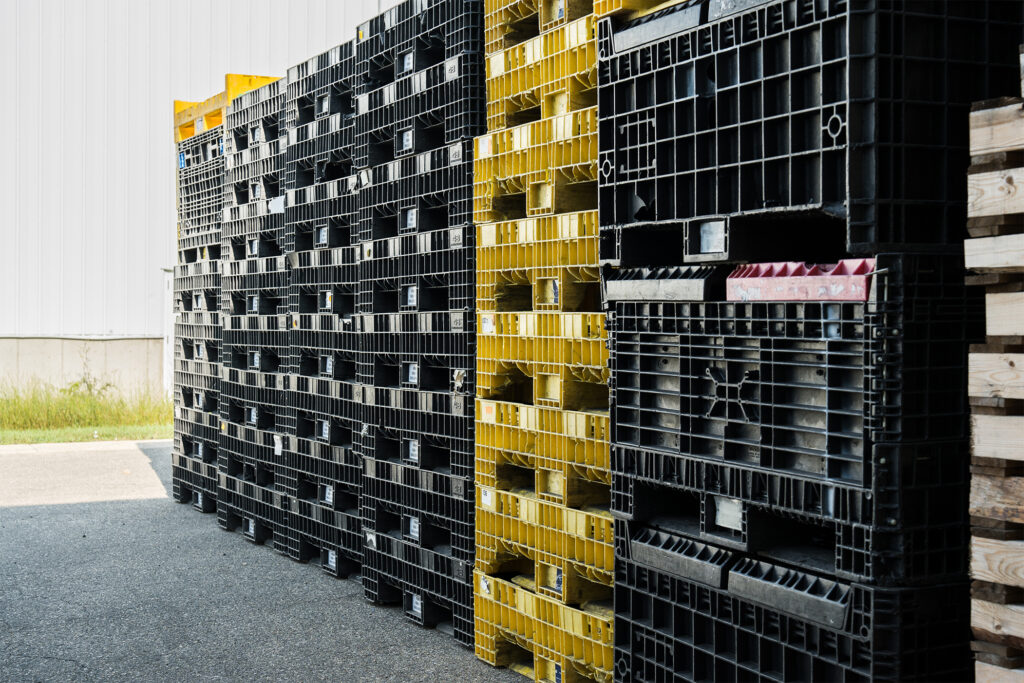
Numerous markets have distinctive needs for transport and storage space, bulk containers have arised as a functional solution that meets a vast range of requirements. These containers, ranging from big containers to specialized tanks, can accommodate diverse products, consisting of powders, granules, and fluids. In the farming market, mass containers promote the transport of fertilizers and grains, while the food and beverage sector uses them for active ingredients and ended up items. The chemical market counts on mass containers for securely transporting hazardous products, ensuring conformity with safety and security laws. In addition, building and construction firms benefit from bulk containers for transporting accumulations and various other materials. Their versatility includes different modes of transportation, consisting of ships, trains, and vehicles, enhancing logistical efficiency. This versatility not just streamlines procedures throughout different fields yet additionally promotes sustainability by decreasing packaging waste and maximizing room in transportation. Mass containers play a necessary role in modern-day supply chain administration.
Future Fads wholesale Container Use and Sustainability
The future of bulk container use is progressively formed by ingenious materials growth that improves sustainability. Additionally, automation in logistics guarantees to enhance operations, minimizing waste and improving efficiency. Embracing round economic situation practices will certainly further reinvent how bulk containers are made, utilized, and recycled, promoting an extra sustainable transport landscape.
Innovative Materials Growth
As industries progressively focus on sustainability, innovative materials growth wholesale containers becomes a substantial consider boosting green transport options. Producers and researchers are exploring eco-friendly plastics, recycled compounds, and light-weight steels to reduce ecological impact. These products not only decrease waste however also improve fuel effectiveness by lowering the overall weight of containers. Furthermore, developments in clever materials, which can adjust to varying conditions, enhance the toughness and performance of mass containers. The combination of these innovative products straightens with circular economy principles, promoting reuse and recycling. As the demand for lasting techniques expands, the growth of such products will play an important function in shaping the future of bulk container use in logistics and transport.
Automation in Logistics
Substantial innovations in automation are positioned to change logistics and the application of mass containers, improving sustainability in transportation. Automated systems, including drones and self-governing vehicles, are improving the movement of bulk containers, decreasing the reliance on conventional fuel-powered transport. These technologies optimize routing and loading processes, enhancing and reducing vacant miles gas efficiency. In addition, automated stock management systems boost tracking and monitoring of mass containers, guaranteeing far better resource allotment and minimized waste. The combination of the Internet of Points (IoT) enables real-time data analysis, making it possible for aggressive decision-making that lines up with sustainability goals. As automation remains to progress, it is expected to drive further innovations in mass container use, ultimately supporting even more lasting logistics practices and reducing the ecological impact of transport.
Circular Economy Practices
Advancements in automation are establishing the stage for an extra integrated technique to round economic climate techniques in the domain of bulk container use. As industries website progressively embrace sustainability, bulk containers are being created for longevity and reusability. This change not just minimizes waste however also improves resource effectiveness. Companies are taking on strategies such as closed-loop systems, where made use of containers are gathered, reconditioned, and reestablished right into the supply chain. Additionally, wise modern technologies track container life cycles, promoting better management and reducing ecological effect. The partnership in between manufacturers, logistics suppliers, and end-users is important in establishing requirements for lasting container usage. used collapsible bulk containers. Future fads suggest a growing emphasis on materials that are eco-friendly and recyclable, more reinforcing the circular economic climate's concepts wholesale transport

Often Asked Questions
What Materials Are Mass Containers Commonly Made From?
Bulk containers are usually constructed from sturdy products such as high-density polyethylene, aluminum, cardboard, and steel. These materials supply stamina, security, and versatility, making them suitable for delivering numerous items in various sectors successfully.
How Do I Pick the Right Dimension Mass Container?
Picking the best size bulk container involves assessing the volume of materials to be carried, thinking about taking care of equipment compatibility, and assessing storage room requirements. Proper size guarantees efficiency in transport and decreases waste throughout shipment.
Are Bulk Containers Reusable or Recyclable?
Mass containers are usually reusable, designed for multiple journeys, boosting sustainability. Many can also be recycled, depending on the materials used. Selecting recyclable choices additionally lowers and sustains ecological objectives waste in transportation practices.
What Safety Regulations Relate To Bulk Container Transport?
Safety regulations for mass container transportation include conformity with the Division of Transportation standards, proper labeling of unsafe materials, architectural stability assessments, and adherence to weight restrictions to guarantee risk-free handling and stop mishaps during transit.
Exactly How Can Companies Transition to Using Mass Containers Properly?
Companies can change to bulk containers by evaluating existing logistics, educating staff on handling, purchasing suitable equipment, optimizing supply administration, and collaborating with suppliers to assure compatibility and effectiveness throughout the supply chain.
As industries progressively focus on sustainability, the adoption of mass containers has arised as a key approach for decreasing waste and reducing carbon impacts. By consolidating materials into mass containers, firms can streamline their inventory processes, minimizing the intricacy associated with tracking several smaller sized plans. As industries progressively focus on sustainability, cutting-edge products growth in bulk containers emerges as a substantial factor in improving environment-friendly transportation remedies. Automated systems, consisting of drones and autonomous vehicles, are improving the motion of bulk containers, minimizing the dependence on typical fuel-powered transportation. In addition, automated supply management systems enhance tracking and surveillance of mass containers, guaranteeing much better source appropriation and decreased waste.